Since 27 September 2026, Directive (EU) 2024/825, adopted on 28 February 2024, has applied across the European Union: generic environmental claims such as "green", "eco-friendly" or "sustainable" may only be used by traders who can prove them. For a network with many outlets, the question is no longer whether the claim sounds right, but who owns it, what evidence backs it and how the correction reaches every shop.
Picture a brand meeting in 2023. Someone proposes "eco-friendly packaging" for the new cups. Everyone nods. The line goes into the brand book, the brand book goes to every outlet, and within a month the same four words sit on a hundred counters. Nobody lied. Nobody checked either.
That is the part of the new rules I think networks are underestimating. A single shop with a wrong sentence has a problem. A network with a wrong sentence has a hundred copies of the same problem, each one carrying the brand's name.
What exactly changed on 27 September 2026?
The burden of proof moved. The directive amends two existing EU laws, the Unfair Commercial Practices Directive and the Consumer Rights Directive, and adds practices that are treated as misleading in all circumstances, according to the text in EUR-Lex. Among them: generic environmental claims without recognised excellent environmental performance; claiming a product has a neutral climate impact on the basis of emissions offsetting alone; and sustainability labels that are not based on a certification scheme or set up by a public authority. Future commitments, such as "carbon neutral by 2030", now require an implementation plan with measurable targets checked by an independent third party.
Member States had until 27 March 2026 to transpose the rules. The European Commission opened proceedings against 20 Member States, Portugal among them, for failing to transpose fully by that date, according to the Portuguese trade association APIRAC. The date of application, set in Article 4 of the directive, did not move.
On 22 September 2026 the Commission published its questions and answers on the directive. They are not binding, and the Commission says so: only the Court of Justice interprets EU law with authority. They are, however, the map enforcers will be reading.
Why is a network's exposure different from a single shop's?
Because networks are built to replicate. A good franchise system works like a recipe: the baker's hand changes, but the base recipe must be respected. That discipline is the whole value of the model. It is also why an error at the top travels so efficiently to the bottom.
The franchisee did not write the sentence. It arrived ready-made, with the logo, the sticker and the social media caption. Yet the franchisee is the one behind the counter when a customer asks what "eco-friendly" actually means. Fixing that outlet by outlet is slow and inconsistent. Fixing it at the source, in the manual, is one decision.
There is also a signal worth noting from Portugal, where I work. The national SME agency, IAPMEI, cites a European Climate Pact analysis of 286 Portuguese companies with environment-focused strategies: on average 42% could be out of line with the new rules, rising to close to 100% in online sales of sustainable products, according to IAPMEI (page updated 27 April 2026). Those are companies that put sustainability at the heart of their business. Networks that simply borrowed the vocabulary have more homework, not less.
Is it only about green claims?
No, and networks should read the whole text. The same directive also strengthens the information consumers get at the point of sale on the durability and reparability of goods and on their legal guarantee rights, according to the European Commission, which says a new harmonised EU notice and label can be seen in practice from 27 September 2026. For a retail network, that means the counter, the shelf and the receipt are all part of the same compliance picture.
Let me be clear about what I am not saying. I am not saying every outlet is at fault, nor that any penalty is coming tomorrow. I am saying the question has changed, and that networks are unusually well placed to answer it, because they already know how to change one rule and make a hundred shops follow it.
Who should own a green claim inside a network?
A named person, not a department. Sustainability now needs an owner in the same way the accounts need a finance director: someone who can say, with documents, why each sentence is there. Without an owner, a claim belongs to everyone, which in practice means it belongs to no one.
In a network, that owner sits at the franchisor level, next to whoever controls the operations manual. The outlets should not be asked to prove what they were told to say.
What method can a network apply this quarter?
Four steps, in order.
First, inventory. List every environmental claim the brand uses: packaging, website, menus, window displays, social media templates and the operations manual. Every one.
Second, ownership. Give each claim a named owner. If nobody is willing to sign it, it goes.
Third, evidence. For each claim that stays, attach the document behind it: certification, measurement, expiry date. No document, no claim. An expired document counts as no document.
Fourth, replication. The corrected wording goes into the manual and down to all outlets at once, with a date by which old materials are replaced. It is exactly what a well-run network already does with a recipe change or a hygiene procedure.
So what now?
Go back to that brand meeting. The four words may even be true. But the question in the room has changed. It used to be "does it sound good?". Now it is "who signs it, and where is the proof?".
The EU did not invent honesty. It gave it a date. What each network does with that date remains, as ever, a management decision.
Frequently asked questions
When does Directive (EU) 2024/825 apply?
From 27 September 2026, under Article 4 of the text published in EUR-Lex. The transposition deadline was 27 March 2026.
Can a brand still call a product "sustainable" or "eco-friendly"?
Only with recognised excellent environmental performance that supports it. Generic claims without it are treated as misleading, according to the directive (text of 28 February 2024).
Do franchisees need to prove claims written by the franchisor?
The directive regulates the claims made to consumers. In practice, the claim is written once, at the top, and the correction is most efficient there, in the brand manual that every outlet follows.
Where is the official guidance?
In the European Commission's questions and answers, version of 22 September 2026.
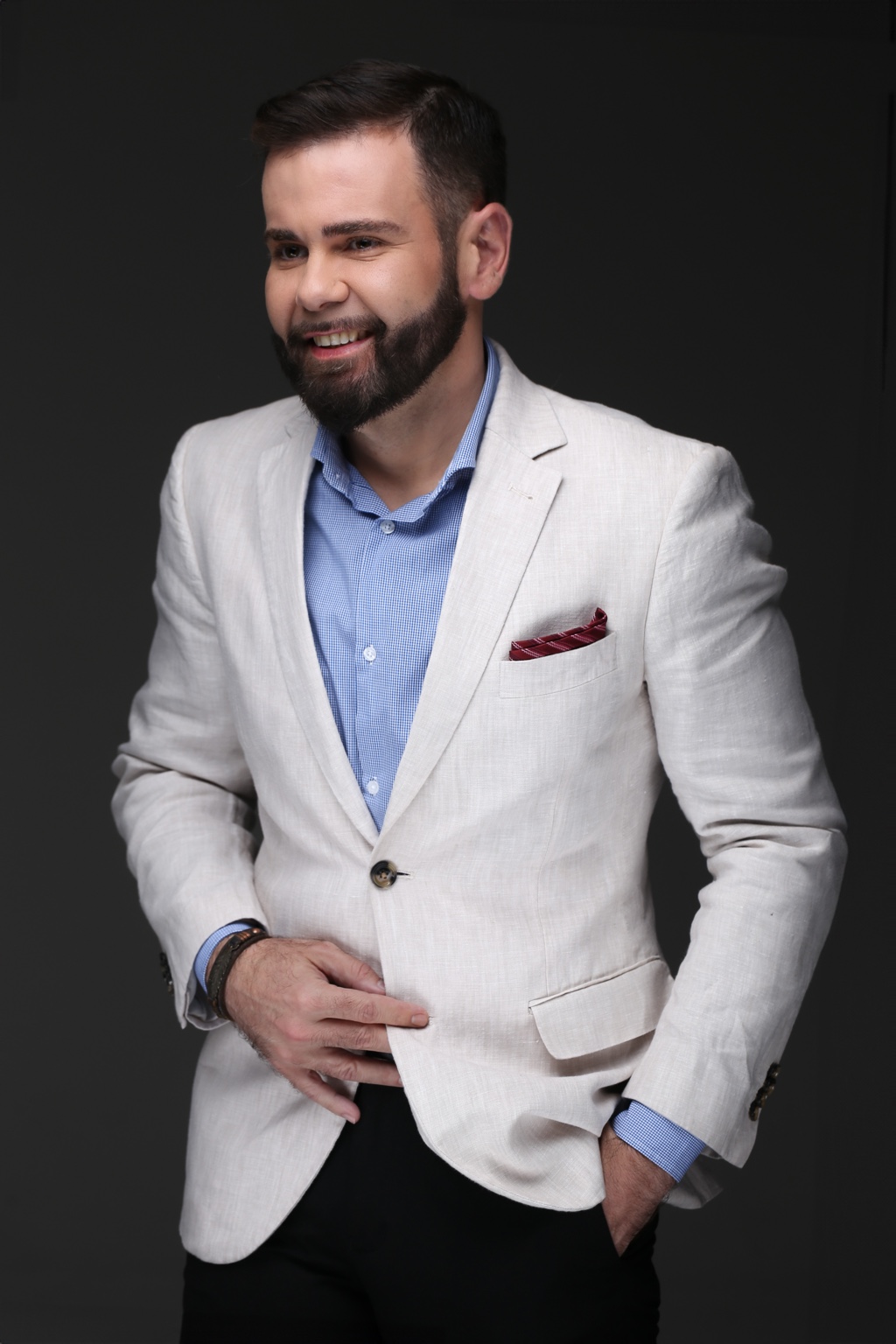
Lucas Atanazio Vetorasso, known as O Maestro, is an entrepreneur, author and founder of ATNZO. His work connects franchising, management, negotiation, human behaviour and territorial development.